Definition of a Valve Guide
A valve guide is a precision component that directs fluid flow within a valve assembly‚ ensuring smooth operation and minimizing wear․ It supports the moving part‚ maintains alignment‚ and provides a seal against leaks‚ thereby enhancing performance‚ durability‚ and system reliability․ It controls pressure․!!!
Primary Functions
Valve guides perform several essential roles that are critical to the reliable and efficient operation of valve systems․ First‚ they provide a mechanical path for the moving element—whether a ball‚ piston‚ or disc—ensuring that it travels smoothly along the intended axis and preventing lateral deviation that could lead to premature wear or failure․ Second‚ they maintain sealing integrity by presenting a low‑friction surface against which the valve stem or disc can slide‚ thereby reducing the likelihood of leakage and preserving system pressure․ Third‚ valve guides help to distribute fluid forces evenly across the moving part‚ which mitigates localized pressure spikes and reduces the risk of cavitation or erosion․ Fourth‚ by providing a defined contact surface‚ they enable the use of precision bearings or bushings that further lower friction and enhance the longevity of the valve․ Finally‚ guides can serve as a thermal buffer‚ absorbing heat generated by fluid flow or mechanical action and preventing excessive temperature rise in the valve body․ Together‚ these functions ensure that valves operate with minimal maintenance‚ high reliability‚ and consistent performance across a wide range of operating conditions․
In addition‚ valve guides can be engineered with specific surface textures or coatings that further reduce friction and resist fouling․ Their design also influences the valve’s ability to recover from transient pressure surges‚ ensuring smooth shut‑off and minimizing the risk of damage to downstream equipment․ Engineers often select guide materials and geometries based on the required flow capacity‚ pressure rating‚ and maintenance schedule‚ balancing cost against performance and durability․ Such guides are critical in pipelines!
Key Components
Valve guides are composed of several integral parts that work together to ensure precise movement‚ sealing‚ and durability․ The core element is the guide sleeve‚ typically machined from a high‑strength alloy such as stainless steel or nickel‑based material‚ which provides a smooth‚ wear‑resistant surface for the valve stem or disc․ Surrounding the sleeve‚ a seal ring—often made from PTFE or a specialized elastomer—creates a tight seal against the valve body‚ preventing leakage while allowing free motion․ In many designs‚ a bearing or bush is incorporated between the guide sleeve and the valve stem to reduce friction and support axial loads; these bearings may be ceramic‚ bronze‚ or polymer‚ chosen based on the operating temperature and pressure․ The guide assembly is typically mounted within the valve housing using a retaining collar or set screws‚ which maintain alignment and prevent axial displacement․ For high‑pressure applications‚ a pressure‑balanced sleeve may be added to counteract fluid forces and reduce the risk of guide wear․ Finally‚ surface treatments such as phosphating or diamond‑like carbon (DLC) coating are applied to the guide sleeve to enhance corrosion resistance‚ reduce friction‚ and extend service life․ Together‚ these components form a robust guide system that supports reliable valve operation across a wide range of industrial environments․ The guide’s precision ensures optimal flow control and minimal maintenance across applications all․

Types of Valve Guides
Valve guides differ by valve type: ball guides use a cylindrical sleeve for smooth stem travel; globe guides feature a tapered sleeve for precise flow control; butterfly guides employ a radial sleeve; gate guides rely on a straight guide for linear motion․ Critical is valve performance!
Ball Valve Guides
Ball valve guides can be engineered with advanced surface treatments such as nitriding or diamond‑like carbon coatings to further reduce wear and extend service life in abrasive or corrosive environments․ Many manufacturers offer modular guide kits that allow quick replacement without disassembling the entire valve‚ thereby minimizing downtime and maintenance costs․ Proper lubrication and inspection of the guide’s wear pattern are for‚ preventing seal failure․
Ball valve guides are cylindrical sleeves that support the stem of a ball valve‚ ensuring smooth rotation and preventing wear․ They are typically made from high‑strength alloys or wear‑resistant composites‚ and are designed with precision tolerances to maintain a tight seal against the valve body․ The guide’s inner surface is often polished or coated to reduce friction‚ while the outer surface may be threaded or flanged to secure it in place․ In high‑pressure or high‑temperature applications‚ guides may incorporate heat‑shrinkable sleeves or ceramic inserts to withstand extreme conditions․ Proper selection of a ball valve guide involves considering the fluid type‚ operating pressure‚ temperature range‚ and expected flow rate․ Common materials include stainless steel‚ alloy 316‚ or PTFE‑coated composites․ The guide’s diameter must match the valve stem‚ and its length should accommodate the full travel distance of the ball․ Regular inspection and maintenance of the guide can extend valve life‚ reduce leakage‚ and improve overall system efficiency․ In many industrial settings‚ ball valve guides are replaced as part of preventive maintenance schedules to avoid costly downtime․
Globe Valve Guides
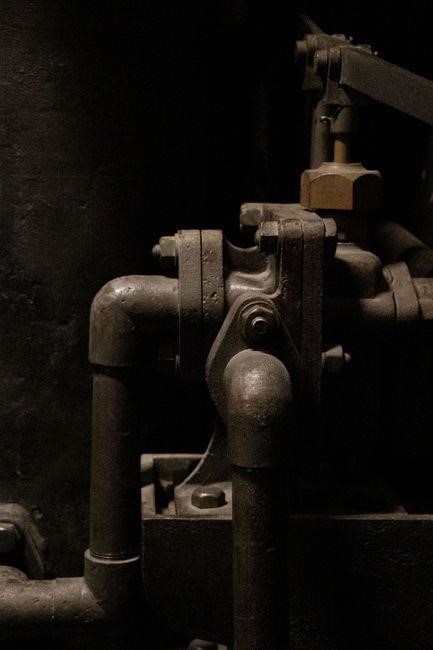
Globe valve guides are precision components that support the stem and provide a smooth‚ low‑friction path for the valve’s internal moving parts․ They are typically made from high‑strength alloys such as 316 stainless steel‚ alloy 400‚ or nickel‑based materials‚ and are engineered with tight tolerances to maintain a reliable seal against the valve body․ The guide’s inner surface is often polished or coated with PTFE or ceramic to reduce wear‚ while the outer surface may be threaded or flanged to secure it in place․ In high‑pressure‚ high‑temperature‚ or corrosive applications‚ guides may incorporate heat‑shrinkable sleeves or ceramic inserts to withstand extreme conditions․ Proper selection of a globe valve guide involves considering the fluid type‚ operating pressure‚ temperature range‚ and expected flow rate․ Common materials include stainless steel‚ alloy 400‚ or PTFE‑coated composites․ The guide’s diameter must match the valve stem‚ and its length should accommodate the full travel distance of the globe valve․ Regular inspection and maintenance of the guide can extend valve life‚ reduce leakage‚ and improve overall system efficiency․ In many industrial settings‚ globe valve guides are replaced as part of preventive maintenance schedules to avoid costly downtime․ The design of globe valve guides must consider the interaction between the guide and the valve stem‚ ensuring minimal friction and wear over the valve’s service life․ Engineers often test guide materials under simulated operating conditions to validate performance and longevity․!!!!!!
Butterfly Valve Guides
Butterfly valve guides support the rotating disc and keep its path smooth and centered․ Made from high‑strength steels—such as alloy 400‚ 304 stainless‚ or nickel‑based alloys—these guides are precision‑machined to tight tolerances․ The inner surface is often coated with titanium nitride (TiN) or ceramic to resist abrasion from solids or corrosive fluids․ The outer surface may be threaded or flanged‚ and some designs include a heat‑shrink sleeve to handle thermal expansion․ Selecting the right guide depends on fluid type‚ pressure‚ temperature‚ and flow rate․ For high‑pressure gas lines‚ a stainless‑steel guide with PTFE coating reduces friction and extends life․ In corrosive or high‑temperature environments‚ a nickel‑based guide with ceramic insert is preferred․ Regular inspection of wear‚ alignment‚ and seal integrity prevents leaks and maintains performance․ Maintenance schedules usually replace the guide before the disc or seat shows excessive wear‚ minimizing downtime․ Engineers test guide materials under simulated conditions to validate performance‚ and manufacturers offer standard‚ high‑temperature‚ or custom‑profiled options․ Design must balance strength‚ wear resistance‚ and cost‚ ensuring that the disc rotates freely while sealing tightly throughout service life․ The guide’s bore must match the valve stem‚ and its length should accommodate full disc travel to avoid binding․ Modular guides allow quick swaps without disassembling the valve‚ useful in high‑volume lines․ The guide material and finish directly affect valve efficiency: lower friction means less energy use and longer component life․ !!!!!!!!!!
Materials Used
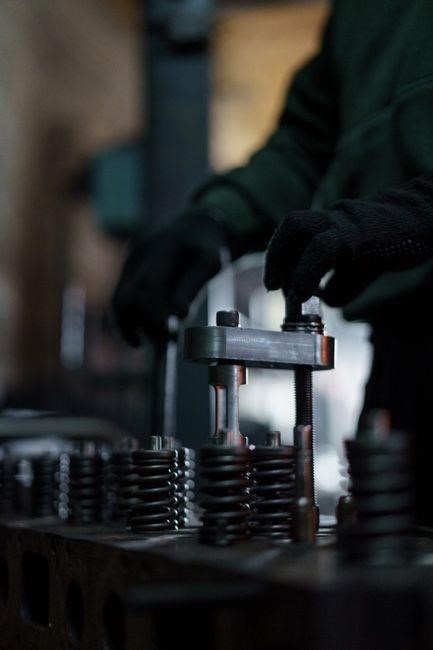
Valve guides are made from materials chosen for strength‚ corrosion resistance‚ and wear performance․ Common options are stainless steel (304/316)‚ nickel‑based alloys (Inconel‚ Hastelloy)‚ and titanium․ In high‑temperature or aggressive media‚ ceramic or composite inserts are used․ lasting
Steel Alloys
Valve guides constructed from steel alloys are selected for their high strength‚ fatigue resistance‚ and corrosion tolerance․ Common grades include 304 and 316 stainless steel‚ which offer excellent resistance to chloride‑induced pitting while maintaining ductility for dynamic sealing․ In more aggressive environments‚ 321 stainless and 347 stainless provide chromium‑nitride stability at elevated temperatures․ For high‑temperature service‚ nickel‑based alloys such as Inconel 625 and Hastelloy C can be used‚ offering superior oxidation resistance up to 900 °C and excellent toughness․ Medium‑strength carbon steels such as 4140 and 4340 are also employed in low‑pressure‚ non‑corrosive systems‚ providing cost‑effective solutions when surface finish and wear life are balanced with mechanical load․ Surface treatments such as nitriding‚ carburizing‚ or chrome plating are applied to enhance wear resistance and reduce friction․ These treatments also improve the life expectancy of the guide by creating a hardened surface layer that resists abrasive wear from the valve stem or disc․ The choice of alloy is dictated by fluid chemistry‚ temperature range‚ pressure class‚ and required service life‚ ensuring that the guide maintains alignment‚ minimizes leakage‚ and withstands cyclic loading without failure․ In summary‚ steel alloys offer a versatile range of properties that can be tailored to meet the demanding conditions of modern valve systems‚ balancing performance‚ durability‚ and cost․ These alloys are often paired with precision machining and advanced surface coatings to further extend service life and reduce maintenance costs․ This synergy ensures performance of applications
Cast Iron
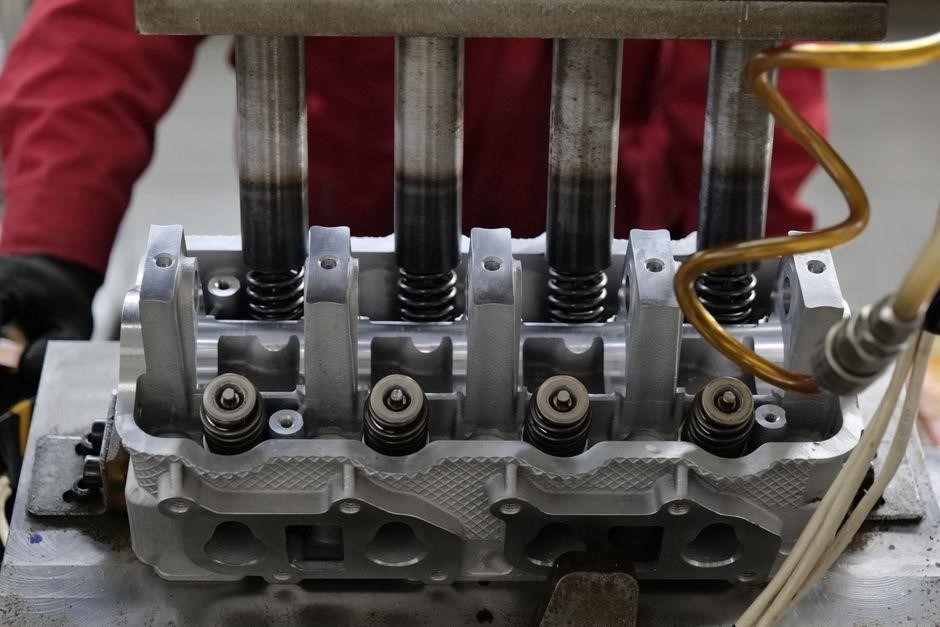
Cast iron valve guides are favored in low‑to‑moderate pressure systems where cost efficiency and excellent wear resistance to abrasive particles are paramount; The typical grade‚ 600 series gray iron‚ offers a high carbon content that yields a hard‚ porous matrix capable of supporting the valve stem while providing a self‑lubricating surface․ The inherent porosity allows for the incorporation of oil or grease‚ which reduces friction and extends the guide’s service life․ In addition‚ cast iron’s high thermal conductivity ensures uniform temperature distribution‚ minimizing thermal expansion mismatches that could lead to misalignment․ The material’s excellent machinability permits tight dimensional tolerances and complex geometries‚ enabling precise fitment within the valve body․ However‚ cast iron’s brittleness limits its application in high‑temperature or high‑pressure environments‚ where fracture risk increases․ To mitigate this‚ alloying elements such as silicon‚ manganese‚ and small amounts of nickel are added to enhance toughness and reduce the coefficient of thermal expansion․ Surface treatments‚ including chrome plating or tungsten carbide coating‚ are often applied to further improve wear resistance and corrosion protection‚ especially in corrosive media․ Cast iron guides are commonly used in water‑based systems‚ HVAC units‚ and low‑pressure industrial pipelines‚ where their cost‑effectiveness and durability provide a reliable solution for maintaining valve performance over extended periods․ These guides provide long‑lasting valve function․!!
Bronze and Brass
Bronze and brass alloys are among the most widely used materials for valve guides in applications that demand a combination of corrosion resistance‚ wear durability‚ and moderate strength․ The typical bronze composition—copper‚ tin‚ and zinc—offers a high hardness‑to‑weight ratio‚ while brass—copper and zinc—provides excellent machinability and a smooth surface finish․ Both materials exhibit excellent resistance to oxidation and pitting‚ making them ideal for use in seawater‚ chemical‚ and high‑temperature environments where stainless steel might corrode․ In addition‚ the inherent damping properties of bronze and brass reduce vibration and noise‚ which is critical in precision instrumentation and high‑speed flow systems․ The manufacturing process for these guides often involves investment casting or precision forging‚ followed by surface treatments such as electropolishing‚ chrome plating‚ or the application of a thin layer of tungsten carbide․ These finishes further enhance wear resistance and reduce the coefficient of friction‚ thereby extending the service life of the guide․ One of the key advantages of bronze and brass guides is their ability to accommodate thermal expansion without compromising the seal integrity․ Their relatively low modulus of elasticity allows for slight deformation under load‚ which helps maintain a tight seal against the valve stem․ However‚ the primary limitation lies in their lower tensile strength compared to high‑grade steels‚ which restricts their use in high‑pressure or high‑temperature systems․ Consequently‚ they are most commonly found in water‑based‚ HVAC‚ and low‑pressure industrial pipelines‚ where cost efficiency and long‑term reliability are paramount․ The combination of corrosion resistance‚ smooth operation‚ and cost makes bronze and brass valve guides a reliable choice for many engineering applications․ xxxxxxxxxxxxxxxxxxxxxxxxxxxxxxxxxxxxxxxxxxxxxxxxxxxxxxx

Design and Manufacturing
Design focuses on precision geometry‚ material selection‚ and surface finish to ensure smooth motion and longevity․ Manufacturing uses CNC machining‚ forging‚ or casting‚ followed by heat treatment and surface coatings for wear resistance and corrosion protection․ and life now․
Manufacturing Methods
Valve guides are produced through a combination of advanced manufacturing techniques tailored to the specific material and performance requirements․ The most common processes include precision casting‚ where molten alloy is poured into a meticulously designed mold‚ followed by controlled cooling to achieve the desired micro‑structure․ Forging‚ on the other hand‚ imparts superior grain flow and strength by deforming the metal under high pressure‚ making it ideal for high‑pressure applications․ CNC machining provides the fine dimensional accuracy required for tight tolerances‚ often after an initial cast or forged blank․ Additive manufacturing‚ or 3‑D printing‚ is increasingly employed for complex geometries or low‑volume production‚ allowing for rapid prototyping and customization․ Once the basic shape is formed‚ heat treatment processes such as annealing‚ normalizing‚ or quenching are applied to relieve internal stresses and enhance mechanical properties․ Surface finishing techniques—including grinding‚ polishing‚ and coating—are then used to reduce friction‚ improve wear resistance‚ and protect against corrosion․ The final inspection involves dimensional checks‚ hardness testing‚ and leak‑proofness verification to ensure compliance with industry standards․ Each step is carefully controlled to guarantee that the valve guide will perform reliably under demanding operating conditions․ Advanced tooling and rigorous quality control ensure each valve guide meets stringent specifications‚ delivering exceptional performance over its service life․
Design Considerations
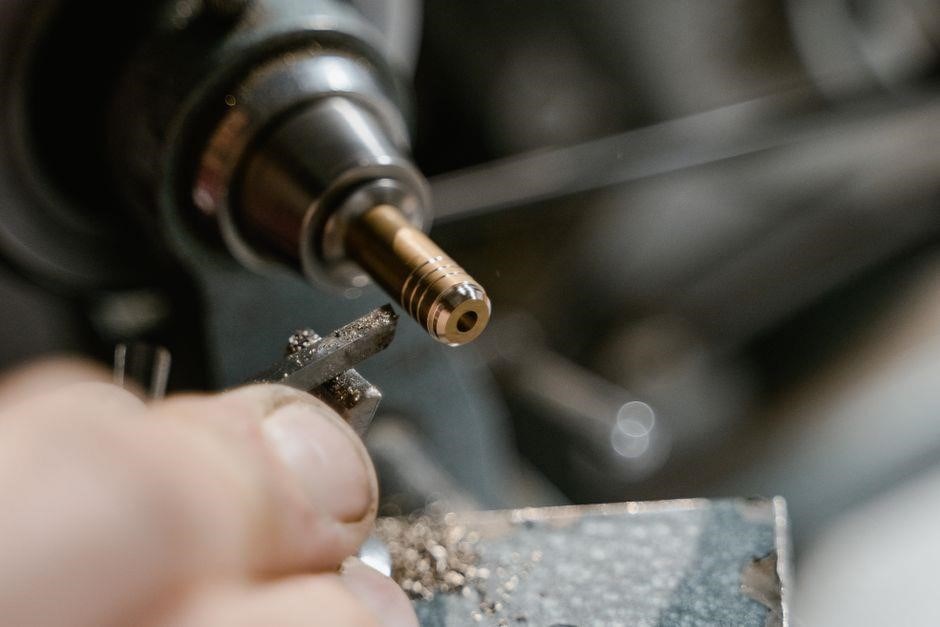
Designing a valve guide involves balancing mechanical performance‚ manufacturability‚ and cost․ Key factors include:
- Load capacity and pressure rating – the guide must withstand the maximum operating pressure and mechanical loads without deformation․
- Thermal expansion – material selection and dimensional tolerances must accommodate temperature swings to prevent binding․
- Surface finish and lubrication – a low‑friction finish or integrated lubrication channels reduce wear and extend service life․
- Material compatibility – the guide material must resist corrosion‚ erosion‚ and chemical attack from the process fluid․
- Dimensional accuracy – tight tolerances (often <0․001 in) are required to maintain seal integrity and prevent leakage․
- Weight and size constraints – especially in aerospace or automotive applications‚ lightweight designs are preferred․
- Manufacturing feasibility – complex geometries should be evaluated for casting‚ forging‚ or additive manufacturing viability․
- Inspection and testing – design should allow for non‑destructive testing (NDT) and easy field inspection․
By integrating these considerations early‚ engineers can produce valve guides that deliver reliable performance‚ meet regulatory standards‚ and remain cost‑effective throughout the product lifecycle․ This approach also simplifies maintenance and reduces downtime‚ boosting overall reliability‚ customer satisfaction!․