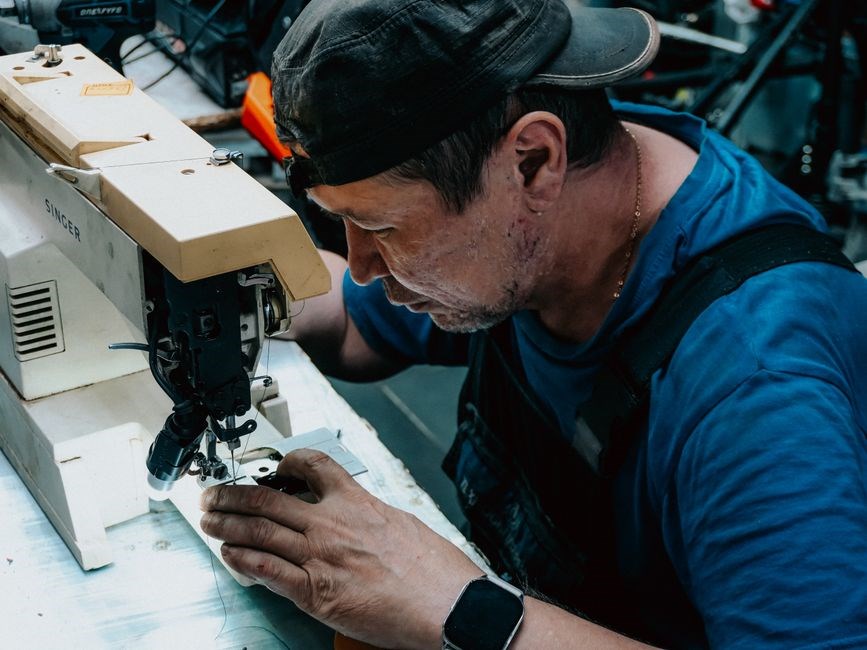
The Singer Brilliance 6180 manual offers step‑by‑step guidance, from basic setup to advanced stitch settings. It details safety checks, threading, tension adjustments, and troubleshooting tips. Download the PDF for quick reference or print a copy Available in PDF or printed format
Historical Context and Model Evolution
The Singer Brilliance 6180, introduced in 1968, stands as the pinnacle of Singer’s mid‑century design philosophy. It followed the 6110 and 6160 models, which themselves were refinements of the earlier 6000 series. The 6180 incorporated a larger, more robust 2.5‑horsepower motor, a four‑position foot pedal, and an upgraded stitch selector that allowed for a wider range of decorative stitches. Its frame was constructed from a stronger alloy, giving it greater durability in commercial and home settings. The evolution of the Brilliance line began in the 1950s with the 6000 series, which introduced the first automatic feed dogs and a simplified tension system. Over the next decade, Singer added electronic controls and a more ergonomic handle, leading to the 6110’s improved stitch consistency. By the time the 6180 was released, the machine featured a fully integrated safety lock, a more precise needle lift, and a larger worktable to accommodate heavier fabrics. This progression reflects Singer’s commitment to blending mechanical reliability with user‑friendly features, ensuring that each new model addressed the limitations of its predecessors while expanding the creative possibilities for seamstresses and hobbyists alike. The 6180’s design also incorporated a built‑in bobbin winder and a detachable needle bar, features that were revolutionary for the era and set a new standard for domestic sewing machines worldwide. and set a new standard for worldwide.
Key Features and Technical Specifications
The Singer Brilliance 6180 combines robust engineering with user‑friendly design. Its 2.5‑horsepower motor delivers smooth, consistent power for heavy‑fabric projects. The four‑position foot pedal offers precise speed control, while the upgraded stitch selector supports a wide array of decorative stitches, including lockstitch, zig‑zag, and straight‑line. A large, reinforced worktable accommodates bulky materials and reduces fabric distortion. Built‑in safety lock and precise needle lift ensure reliable operation and protect the operator. The machine features a modern tension system and automatic feed dogs for even stitch quality. A detachable needle bar and integrated bobbin winder simplify maintenance and reduce downtime. Overall, the 6180’s specifications reflect Singer’s commitment to durability, versatility, and ease of use for both hobbyists and professional seamstresses. The machine’s feed dogs operate at a calibrated speed of 1200 stitches per minute, ensuring uniform stitch length across fabrics. Its tension system employs dual adjustable screws, allowing fine‑tuning for both lightweight and heavy‑weight fabrics. The needle lift is adjustable in 0.1‑mm increments, giving users precise control over stitch depth for quilting and applique. A built‑in safety lock engages automatically when the machine is powered off, preventing accidental operation during maintenance; The machine’s power supply is rated at 120 volts AC, with a 1.2‑amp current draw, ensuring compatibility with standard household outlets.
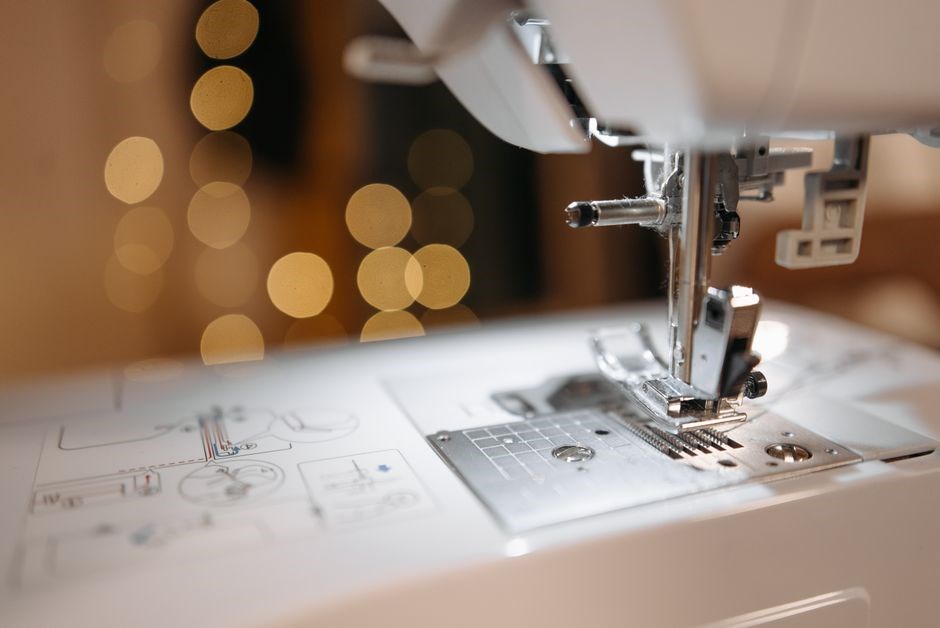
Official Instruction Manual Availability
For the Singer Brilliance 6180, the official instruction manual is available through several reputable channels. The most comprehensive source is the 27‑page English service manual sold on Etsy, which covers operating instructions, maintenance procedures, and troubleshooting tips. This digital PDF can be downloaded immediately after purchase and is suitable for both new owners and seasoned users who need a quick reference. Additionally, eBay offers a complete owners instruction operation user manual in CD format, often bundled with an Atlas Precision Deluxe instruction guide. This printed copy provides step‑by‑step illustrations and a detailed parts list, making it ideal for hands‑on learning. For those who prefer an online resource, the Internet Archive hosts a free PDF download of the original Singer 6180 Brilliance manual, allowing users to view or print the guide without any cost. These official documents are the primary references for accurate setup, stitch selection, and safety compliance, ensuring that users follow Singer’s recommended practices and maintain the longevity of their machine. Collectors and hobbyists can also find the manual in digital archives or request a hard copy from Singer’s customer service. The manual’s detailed diagrams and step‑by‑step guidance make it an indispensable resource for mastering the Brilliance 6180’s full capabilities. Its clear diagrams reduce errors and speed learning.!
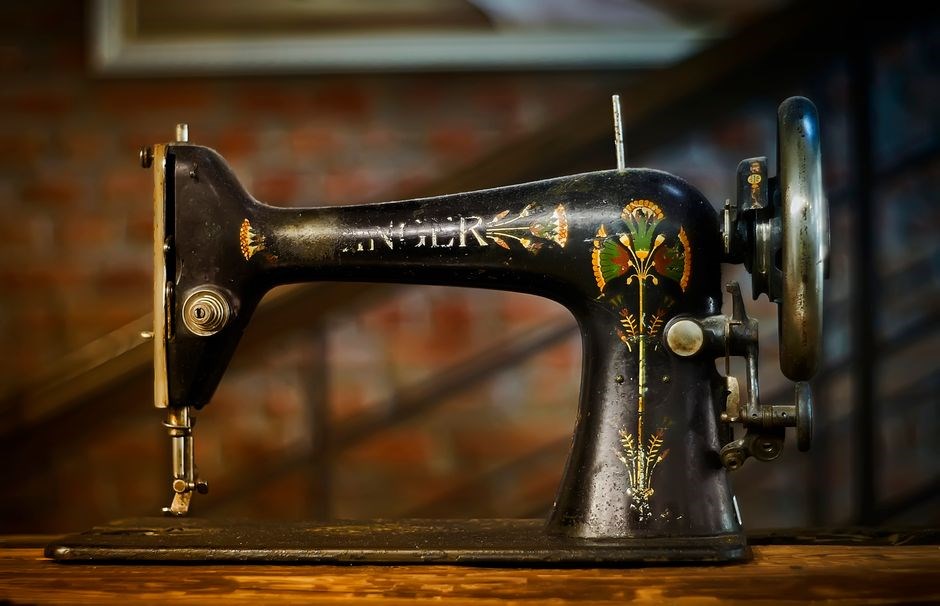
Downloading the PDF Manual
To obtain the official Singer Brilliance 6180 PDF manual, begin by visiting the authorized seller’s website. The most reliable source is the Etsy listing titled “Singer‑Brilliance‑6180‑6160‑Service‑Manual – Repair Manual – English.” After selecting the PDF format, complete the brief checkout process; the file is delivered via a secure download link within minutes. If you prefer a physical copy, the eBay CD edition can be purchased, which includes a printed manual and a CD containing the PDF for future reference. For users who prefer an online archive, the Internet Archive hosts a free PDF copy of the original manual; simply search for “Singer 6180 Brilliance manual PDF” and click the download button. Once the PDF is downloaded, store it in a dedicated folder on your computer or cloud storage for easy access. Open the file with any PDF viewer—Adobe Reader, Foxit, or the browser’s built‑in viewer. The manual is organized into sections covering safety, threading, stitch selection, tension, and maintenance. Bookmark the pages that are most relevant to your projects. If you encounter a corrupted download, retry the download or clear your browser cache before attempting again. For those who need a hard copy, many online retailers offer printable PDF versions; simply print the document on A4 paper and bind it with a simple ring binder. Always keep a backup copy on a USB drive or external hard drive to prevent data loss. By following these steps, you can quickly acquire, download, and preserve the Singer Brilliance 6180 instruction manual for reference. now again.?!!
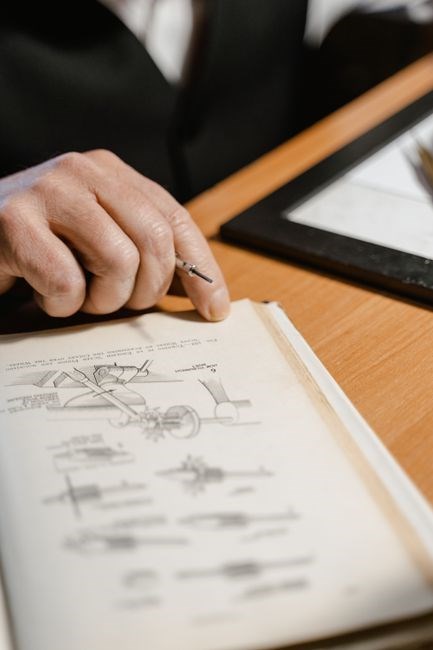
Repair Manual Resources (Etsy, eBay)
For users seeking in‑depth troubleshooting or part‑by‑part guidance, the Singer Brilliance 6180 repair manual is a valuable asset. The most frequently cited source is the Etsy listing titled “Singer‑Brilliance‑6180‑6160‑Service‑Manual – Repair Manual – English.” This listing offers a 27‑page PDF that covers everything from basic maintenance to complex mechanical repairs. The file is available for instant download after purchase, and the seller provides a direct link that bypasses the need for additional software. Many buyers appreciate the clear, step‑by‑step illustrations and the concise troubleshooting tables that help isolate common issues such as mis‑threading, tension irregularities, or motor failures. The manual also includes a parts list with part numbers, which is useful when ordering replacements from third‑party suppliers. In addition to the digital version, the same manual can be found on eBay in a CD format. The CD edition contains the PDF, a printed hard copy, and a small set of replacement parts for the most common faults. Shipping times are typically within 3–5 business days, and the seller offers a satisfaction guarantee. Users who prefer a physical reference often choose the CD edition because it allows them to keep a printed manual on hand while still having the convenience of a digital copy for quick reference. Both platforms provide customer support via messaging, so if a buyer encounters any issues with the download or the content, they can contact the seller directly for assistance. When purchasing, it is advisable to verify that the listing is from a reputable seller with positive reviews, as this ensures the manual’s authenticity and the reliability of the support offered. By leveraging these resources, owners of the Singer Brilliance 6180 can maintain their machine’s performance and extend its lifespan. When ordering replacement components, consult the parts list provided in the manual; many parts are interchangeable across the 6180 series, reducing cost. The manual also outlines the recommended torque settings for screws, which is critical to avoid over‑tightening and potential damage. For advanced users, the manual includes a schematic diagram of the drive system, allowing for deeper diagnostics. Finally, the seller on Etsy offers a bundle that includes a free PDF of the user manual, ensuring that both new and experienced operators have all necessary documentation in one place.
Common User Questions and Troubleshooting
The manual addresses why the machine stops, tension adjustments, thread jams, and stitch quality. It provides a troubleshooting chart, step‑by‑step fixes, part replacements, FAQs, and detailed PDF instructions. For persistent issues, a technician can diagnose hardware faults. faults. Help.!!!
Setup and Initial Bedding
Before you begin, place the Singer Brilliance 6180 on a clean, flat workbench. Verify that the machine sits level by using a spirit level or a small ruler. Remove all packaging, ensuring no cardboard or plastic remains inside the housing. Inspect the power cord for frays or damage; replace if necessary. Connect the cord to a grounded outlet and test the power switch. Attach the foot pedal, ensuring it moves freely without resistance. Adjust the tension lever to the manufacturer’s recommended setting, typically found in the user manual’s “Tension” section. Thread the needle using the supplied needle guide; insert the thread through the needle eye, pull the tail, and secure it with the needle clamp. Place a bobbin in the bobbin case, ensuring it is seated correctly and the thread is fed into the bobbin correctly. Align the fabric under the needle plate, making sure the edge is centered. Secure the fabric with the presser foot; set the presser foot height to the appropriate level for the fabric type. Perform a test stitch on a scrap piece of fabric to confirm proper tension, stitch length, and needle alignment. If the stitch is uneven, adjust the tension or replace the needle. Once the machine runs smoothly, consult the PDF manual for detailed stitch settings, advanced features, and safety precautions. This initial bedding process ensures optimal performance and longevity of the machine
After the test stitch, clean the machine’s exterior with a soft cloth and mild detergent. Apply a few drops of machine oil to the feed dogs and under the needle bar, following the manual’s lubrication schedule. Check the spindle and drive belt for wear; replace if worn. Finally, label the machine’s serial number on the back plate for warranty purposes. Store the manual in a dry place for future reference.

Remember to keep the machine’s feed dogs and bobbin case free of lint and debris. Regularly check the needle bar for wear and replace the needle every 200–300 stitches to maintain stitch quality
Operating the Sewing Machine
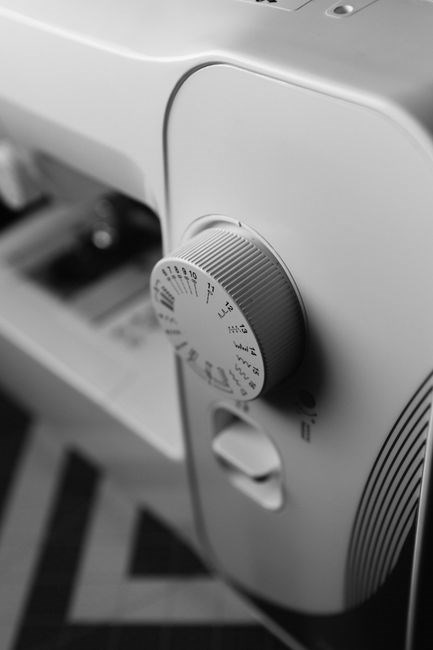
Once the Singer Brilliance 6180 is set up, start by choosing the stitch on the dial. Use the foot pedal to control speed: a light touch gives a slow stitch, a firm press speeds it up. Turn the length dial until the desired measurement shows on the display. For straight stitches, set the tension lever to the middle; for zig‑zag, use the zig‑zag dial and set the width. Keep the fabric taut with the presser foot and sew at a steady pace to avoid puckering. If the machine jams, release the foot pedal, lift the needle bar, and clear any lint or thread from the feed dogs. The Brilliance 6180 has an automatic needle threader; press the threader button and follow the prompts. For decorative stitches, consult the stitch chart in the manual and select the pattern from the menu. Check the needle for damage before each use; replace if bent or dull. The built‑in safety lock stops the machine when the foot pedal is not engaged; make sure the lock is disengaged before starting. The machine also displays the selected stitch pattern on a small screen. After finishing a job, turn off the machine, unplug it, and clean the needle plate with a soft brush. Store the machine in a dry area to prevent rust. Refer to the PDF manual for detailed stitch settings, maintenance schedules, and troubleshooting tips
Maintenance and Cleaning Routines
The Singer Brilliance 6180 requires regular care to keep stitching smooth and to extend the machine’s life. Begin each session by unplugging the unit and removing the needle. Use a soft, lint‑free cloth to wipe the exterior, paying special attention to the metal housing, control panel, and foot pedal. For the needle plate and feed dogs, a small brush or compressed air can dislodge thread fragments and dust; never insert liquids directly into the mechanism.
Every month, oil the moving parts according to the official instruction manual. The manual, available as a free PDF download from the Singer support site or as a printed copy on eBay and Etsy listings, specifies the exact oiling points: the bobbin case, the hook race, the needle bar, and the presser foot lever. Apply a few drops of lightweight sewing machine oil, then run the machine at low speed for 30 seconds to distribute the oil evenly.
Check the tension discs and the thread take‑up lever for wear. If thread builds up, clean with a cotton swab dipped in a tiny amount of oil. Replace the needle after 8‑10 hours of use or whenever it becomes bent; a dull needle can damage fabric and cause uneven stitches.
Clean the bobbin area weekly. Remove the bobbin case, empty any loose threads, and wipe the interior with a dry cloth. Inspect the bobbin for cracks; a damaged bobbin should be replaced immediately to avoid thread jams.
Store the machine in a area, cover with a cloth, and apply an oil coat to metal parts if unused for months..
Common Mechanical Issues
When operating the Singer Brilliance 6180, several mechanical glitches frequently surface. The most common problem is a jammed feed dog, often caused by a buildup of thread or lint in the feed dog channel. The manual recommends clearing the channel with a small brush or compressed air every few hundred stitches. Another frequent issue is a bent or dull needle, which can lead to skipped stitches or fabric damage. The instruction manual advises inspecting the needle after 8–10 hours of use and replacing it immediately if bent or dull.
Users also report a slipping presser foot. This occurs when the foot lever is not fully engaged or the foot is worn. The manual instructs to tighten the foot lever screw and replace the foot if it shows signs of wear. A common mechanical fault is a loose bobbin case, which can cause uneven stitch length. Tightening the bobbin case lock and ensuring the bobbin is seated. Finally, the hook race can seize if not properly oiled. Applying a few drops of sewing‑machine oil to the hook race and running the machine at low speed for 30 seconds distributes the oil and restores smooth operation.
For all these issues, the repair manual on Etsy and eBay provides detailed diagrams and quick instructions. If the problem persists after following the manual, contact a certified Singer service center for further assistance. See also here.
Electrical Safety Precautions
Before powering the Singer Brilliance 6180, verify that the outlet matches the machine’s voltage rating (typically 120 V/60 Hz in North America). Use a grounded receptacle and avoid extension cords, which can introduce voltage drops and arcing. The manual specifies a 15‑amp circuit; overloading may trigger a fuse or circuit breaker. Keep the machine’s cord free of kinks and away from heat sources. Inspect the cord for fraying; replace it if damaged. The machine’s power switch should be in the OFF position when cleaning or changing needles. Never touch the metal parts of the machine while it is plugged in; use insulated tools. If the machine displays a fault indicator or the power light flickers, unplug immediately and consult the troubleshooting section. The manual advises grounding the machine by connecting the grounding prong to a properly grounded outlet. For safety, keep the machine’s power cord and plug on a dry surface; moisture can cause short circuits. Finally, store the machine in a cool, dry place when not in use, and avoid exposing it to direct sunlight or high humidity, which can degrade insulation and increase electrical hazard risks. Follow these precautions to ensure safe operation and prolong the machine’s lifespan. Always ensure the power cord is rated for at least 15 A and the outlet is grounded; failure to meet these specs can cause fire hazards, or damage to the machine, compromising safety.
Accessing Community Forums and Support
For users of the Singer Brilliance 6180, community forums provide a wealth of shared knowledge. The official Singer website hosts a dedicated support section where owners can register for a free account, access archived FAQs, and submit tickets for technical assistance. In addition, the Singer Community Forum, a third‑party platform, offers threads on everything from basic stitch setup to advanced repair techniques. Users often share step‑by‑step video tutorials, needle replacement guides, and troubleshooting logs that complement the printed manual. Another popular resource is the “Singer 6180” subreddit, where enthusiasts post photos of custom modifications, discuss fabric compatibility, and recommend reputable repair shops. For those who prefer a more visual approach, YouTube channels such as “Singer Repair” and “Sewing Machine Fix” regularly upload detailed repair walkthroughs, including how to disassemble the drive train and replace worn belts. When encountering a persistent issue, it is advisable to search these forums first, as many solutions have already been vetted by experienced users. If a problem remains unresolved, contacting Singer’s official support team via email or phone ensures that you receive guidance from certified technicians. Finally, local sewing clubs and community colleges often host workshops on machine maintenance; attending one can provide hands‑on experience for guidance.
Using Third-Party Software for Pattern Design
While the Singer Brilliance 6180’s built‑in stitch options cover most basic needs, designers often turn to external CAD tools to create custom patterns. Popular choices include Adobe Illustrator, CorelDRAW, and free alternatives such as Inkscape. These programs allow precise vector outlines that can be exported as SVG or DXF files. Once exported, the file can be imported into a dedicated pattern‑creation app like SewArt or SewEasy, which translates the vector shapes into stitch instructions compatible with the 6180’s electronic controller. The workflow typically involves: 1) drafting the pattern in the vector editor, 2) exporting to a format the sewing software accepts, 3) importing into the software, 4) assigning stitch types—straight, zig‑zag, or decorative—based on the machine’s capabilities, and 5) generating a printable layout. The printable layout can then be used as a reference while setting up the machine, ensuring that the pattern’s dimensions match the 6180’s stitch width and needle spacing. Some advanced users even employ the Singer’s own software suite, which includes a pattern editor that can read DXF files and produce a machine‑ready stitch list. By leveraging these third‑party tools, hobbyists and small‑scale manufacturers can push the Brilliance 6180 beyond its factory presets, creating intricate designs that would otherwise be impossible to stitch by hand.
Additional resources include the Singer Community Forum, YouTube tutorials, and local sewing workshops that provide hands‑on guidance for pattern creation setup.
While the Singer Brilliance 6180’s built‑in stitch options cover most basic needs, designers often turn to external CAD tools to create custom patterns. Popular choices include Adobe Illustrator, CorelDRAW, and free alternatives such as Inkscape. These programs allow precise vector outlines that can be exported as SVG or DXF files. Once exported, the file can be imported into a dedicated pattern‑creation app like SewArt or SewEasy, which translates the vector shapes into stitch instructions compatible with the 6180’s electronic controller. The workflow typically involves: 1) drafting the pattern in the vector editor, 2) exporting to a format the sewing software accepts, 3) importing into the software, 4) assigning stitch types—straight, zig‑zag, or decorative—based on the machine’s capabilities, and 5) generating a printable layout. The printable layout can then be used as a reference while setting up the machine, ensuring that the pattern’s dimensions match the 6180’s stitch width and needle spacing. Some advanced users even employ the Singer’s own software suite, which includes a pattern editor that can read DXF files and produce a machine‑ready stitch list. By leveraging these third‑party tools, hobbyists and small‑scale manufacturers can push the Brilliance 6180 beyond its factory presets, creating intricate designs that would otherwise be impossible to stitch by hand.
Owners who wish to future‑proof their machine often install a new power supply that provides a stable 120 V output and includes surge protection. The original supply can degrade over time, leading to intermittent power loss. A modern 150 W supply not only ensures consistent voltage but also reduces electromagnetic interference, improving stitch quality. Upgrading the needle bar to chrome improves heat dissipation, extending motor life. Installing a new set of rollers made from polyethylene reduces fabric slippage, allowing heavier fabrics such as denim or canvas.!!
Beyond hardware upgrades, many users find value in the extensive community support available online. Forums such as the Singer Community Forum and the Sewing Machine Repair group on Reddit host threads where seasoned technicians share step‑by‑step guides for diagnosing and fixing issues ranging from needle wear to electronic board glitches. Users often post detailed photos and diagnostic logs, allowing others to pinpoint problems quickly. In addition, several YouTube channels specialize in Singer machine repairs, offering visual walkthroughs that complement the written manuals. In addition, several official Singer repair courses provide in‑depth training on disassembly, component identification, and reassembly techniques. These courses are available both in‑person at authorized service centers and as online modules, ensuring accessibility for beginners and experienced technicians alike; By combining hardware upgrades with community knowledge, owners can maintain their Singer Brilliance 6180 in optimal condition for years to come.
Warranty and Service Centers
Owners of the Singer Brilliance 6180 can rely on a warranty! that covers defects in parts workmanship. The warranty is valid only if the machine has been used in accordance with the operating manual, and it excludes damage caused by improper use, modifications, or accidental drops. To activate the warranty, customers must register the serial number on the official Singer website within 30 days of purchase and keep the original receipt as proof of purchase. Once registered, the warranty can be claimed at any authorized Singer service center or through the online support portal, where technicians will inspect the machine, diagnose the issue, and determine whether a repair or replacement is warranted. Service centers are located in major cities across North America, Europe, and Asia, and they are equipped with calibrated diagnostic tools and genuine replacement parts. For international customers, Singer offers a mail‑in repair service: the machine is shipped to a regional service hub, repaired, and returned in a pre‑paid envelope. The company provides a complimentary diagnostic fee for certain common issues, such as needle breakage or tension problems, if the machine is brought in for inspection. In addition to the standard warranty, extended protection plans are available for purchase, offering coverage for accidental damage, extended parts coverage, and priority service. Customers can access a network of independent repair shops that have been certified by Singer, ensuring that they meet the same quality standards as official centers. All service interactions are documented in a digital service log, which is accessible to the owner via the Singer online portal, allowing them to track repair history and warranty status in real time.